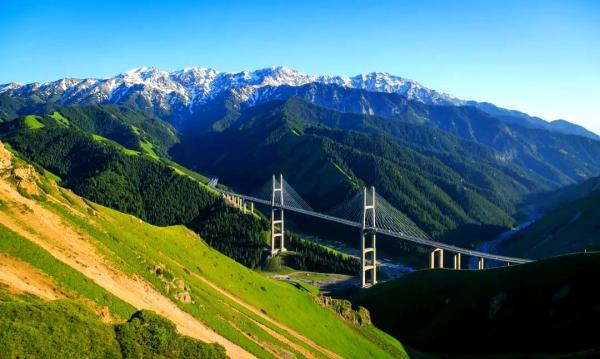
Introduction: A Winter Wonderland
While many travelers envision Xinjiang for its vibrant summer grasslands and autumn harvests, visiting during the late winter months of February and March offers a uniquely serene and culturally rich experience. This vast autonomous region in northwest China transforms into a tranquil, snow-dusted landscape, where ancient traditions continue unabated and the pace of life slows. This guide will help you plan an unforgettable journey through Xinjiang's winter beauty, focusing on accessibility, festivals, seasonal activities, and practical travel tips for 2026.
Part 1: Why Visit Xinjiang in Late Winter?
Crowd-Free Exploration:
Unlike the peak summer season, February and March see significantly fewer tourists. You'll have iconic sites like the Heavenly Lake (Tianchi) nearly to yourself, with snow-capped peaks reflected in frozen waters. The absence of crowds allows for more intimate cultural interactions and undisturbed photography.
Cultural Immersion:
This period coincides with the tail end of the Lunar New Year celebrations (February 17-19, 2026) and important local festivals. You'll witness traditional Uyghur, Kazakh, and other ethnic communities in a festive spirit, with a higher likelihood of being invited to share in local hospitality.
Stunning Winter Scenery:
Imagine the otherworldly landscapes of the Karakoram Highway dusted with snow, the poplar trees in the Taklamakan Desert standing as silent sentinels in the crisp air, and the Kanas Lake area looking like a scene from a fantasy novel, completely frozen and surrounded by pristine white forests.
Lower Costs:
Flights and accommodation prices are at their annual low, making this an ideal time for budget-conscious travelers seeking a premium experience without the premium price tag.
Part 2: Key Destinations & Highlights
- Ürümqi & Surroundings
• The Gateway City: Use Ürümqi as your arrival and acclimatization hub. The Xinjiang International Grand Bazaar is less crowded but still lively, perfect for picking up winter gear like handmade gloves and hats.
• Heavenly Lake (Tianchi): Located 110km east of the city, the lake is frozen solid. You can walk on its surface with proper guides, surrounded by the breathtaking snow-covered Bogda Peak. Cable car rides offer panoramic winter vistas.
• Nanshan Pastures: These grasslands near Ürümqi become a winter sports playground. Try horseback riding in the snow or observe traditional Kazakh herding life.
- The Northern Jewel: Kanas Lake Area
• A Frozen Fairy Tale: By late February, Kanas Lake is a spectacular sheet of ice, often with beautiful ice bubble formations beneath the surface. The famous "Moon Bay" and "Immortal Bay" viewing points offer dramatically different, starkly beautiful perspectives compared to the green seasons.
• Tuva Village (Hemuxiang): Visit the settlements of the Tuva people, one of China's smallest ethnic groups. Their unique wooden houses, topped with thick snow, and rich folklore about the lake's "monster" make for a captivating cultural stop. The chance to warm up in a local home with a bowl of milk tea is a quintessential winter experience.
- The Silk Road Hub: Turpan
• A Milder Climate: Sitting in a depression, Turpan is significantly warmer than northern Xinjiang, offering a pleasant respite. Explore the ancient Jiaohe Ruins—a 2,000-year-old city of mud-brick structures—without the summer heat, its crumbling walls dusted with occasional snow.
• Grape Valley in Dormancy: While the vines are bare, the architecture of the valley and the surrounding Flaming Mountains (with their red slopes subtly highlighted by snow) are photogenic. This is also the season for dried fruit from the previous harvest.
- Kashgar & The Pamir Region
• The Soul of Xinjiang: Kashgar's Sunday Bazaar and Livestock Market are year-round affairs, buzzing with activity. In winter, you'll see traders in thick coats and hats, and the steam rising from food stalls selling piping hot lamb soup and samsas (meat pies) adds to the atmosphere.
• Karakoram Highway (KKH) to Tashkurgan: Traveling this legendary road in winter is only for the well-prepared, but the rewards are immense. Check road conditions meticulously. The Pamir Plateau, with its Tajik villages and the stunning, frozen Karakul Lake set against the mighty Muztagh Ata peak, presents some of the most awe-inspiring winter scenery on the planet.
Part 3: Seasonal Events & Cultural Encounters (2026)
• Lunar New Year (Feb 17-19): While not a traditional Uyghur holiday, Han Chinese communities celebrate with decorations and family gatherings. A interesting cultural observation point.
• Mazar Festivals: Various local shrines (mazars) hold small-scale commemorations. Respectful observers are often welcome.
• Nawruz (March 20-21): The traditional Persian New Year marking the spring equinox is celebrated by Uyghur, Kazakh, and Tajik communities. Look for preparations in late March, including spring cleaning, special foods like Nawruz porridge, and the possibility of small local gatherings and music. It's a fantastic time to experience cultural renewal.
Part 4: A Sample 12-Day Itinerary
Day 1-3: Ürümqi & Tianchi
• Arrive in Ürümqi (URC). Acclimatize. Visit the Regional Museum and Grand Bazaar.
• Day trip to Heavenly Lake for winter hiking and photography.
• Day trip to Nanshan Pastures for snow activities.
Day 4-6: The Altai Mountains - Kanas
• Fly from Ürümqi to Altay (AAT). Transfer to Kanas Scenic Area.
• Explore frozen Kanas Lake, visit Tuva Village, and trek to the viewing platform for "Immortal Bay."
• Experience a local family homestay.
Day 7-9: Turpan & The Flaming Mountains
• Return to Ürümqi and take a high-speed train to Turpan.
• Explore the Jiaohe Ruins, Karez Well system, and the Bezeklik Thousand Buddha Caves.
• Visit the Emin Minaret and taste Turpan's famous grapes (dried) and wines.
Day 10-12: Kashgar & The Pamirs
• Fly from Turpan (via Ürümqi) to Kashgar.
• Immerse yourself in the Old City, visit the Id Kah Mosque, and explore the bustling bazaar.
• Optional 2-day extension: With a verified tour/guide and 4WD vehicle, take a trip on the Karakoram Highway to Karakul Lake and Tashkurgan. Note: This is highly weather-dependent in winter.
Part 5: Essential Travel Tips for Winter 2026
Climate & Packing:
• Temperatures: Vary wildly. Ürümqi/Kanas: -5°C to -20°C (23°F to -4°F). Kashgar/Turpan: -5°C to 10°C (23°F to 50°F). Pamirs: Can drop below -20°C (-4°F).
• Essentials: High-quality thermal layers, a down jacket, waterproof snow boots, thermal socks, gloves, hat, scarf, lip balm, and heavy moisturizer. Sunglasses and sunscreen are crucial due to snow glare.
Transportation:
• Flights: Major cities (Ürümqi, Kashgar, Altay, Turpan) are well-connected by air. Book domestic flights in advance for the best fares.
• Trains: The high-speed train network is efficient and comfortable for routes like Ürümqi-Turpan.
• Road Travel: For destinations like Kanas or the KKH, you must hire a private car with a local driver experienced in winter conditions. Do not self-drive. Roads can be icy and conditions change rapidly.
Accommodation & Logistics:
• Many scenic area hotels in places like Kanas close for winter. Opt for family-run guesthouses or yurts with heating in village areas—book in advance.
• In cities, major hotels operate normally with good heating.
• Permits: Foreign travelers require an Alien Travel Permit to visit Kashgar Prefecture (including Kashgar city) and the Karakoram Highway area. Your travel agency or hotel can arrange this; you'll need your passport. Permits for Kanas are usually arranged by your local driver/guide.
Health & Safety:
• The dry, cold air can be harsh. Stay hydrated and moisturize.
• Move slowly to acclimatize to the altitude, especially in the Pamirs.
• Always inform someone of your travel plans when heading into remote areas.
Cultural Etiquette:
• Dress modestly, especially when visiting religious sites.
• Always ask for permission before photographing people.
• Be open and patient. Winter travel here relies on local knowledge and hospitality.
Conclusion: Embrace the Quiet Majesty
Traveling through Xinjiang in February and March 2026 is an adventure for the discerning traveler. It's a journey that trades lush greenery for silent, snow-blanketed vistas and bustling tourist spots for authentic, frosty encounters with ancient cultures. With careful planning, appropriate clothing, and a flexible spirit, you'll discover a side of this legendary region that few ever get to see—a land of profound peace, stark beauty, and enduring warmth in the heart of winter.